.webp)
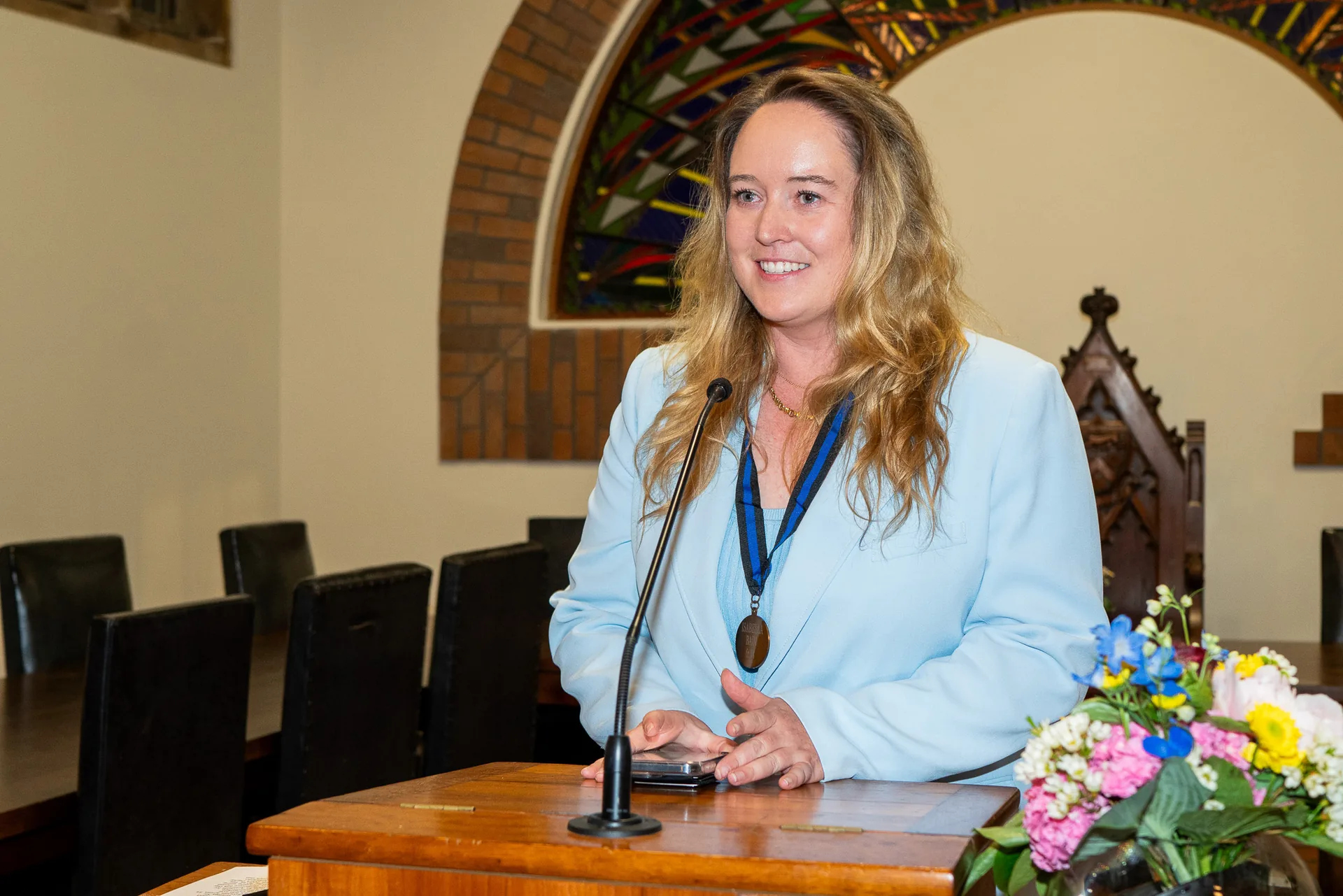
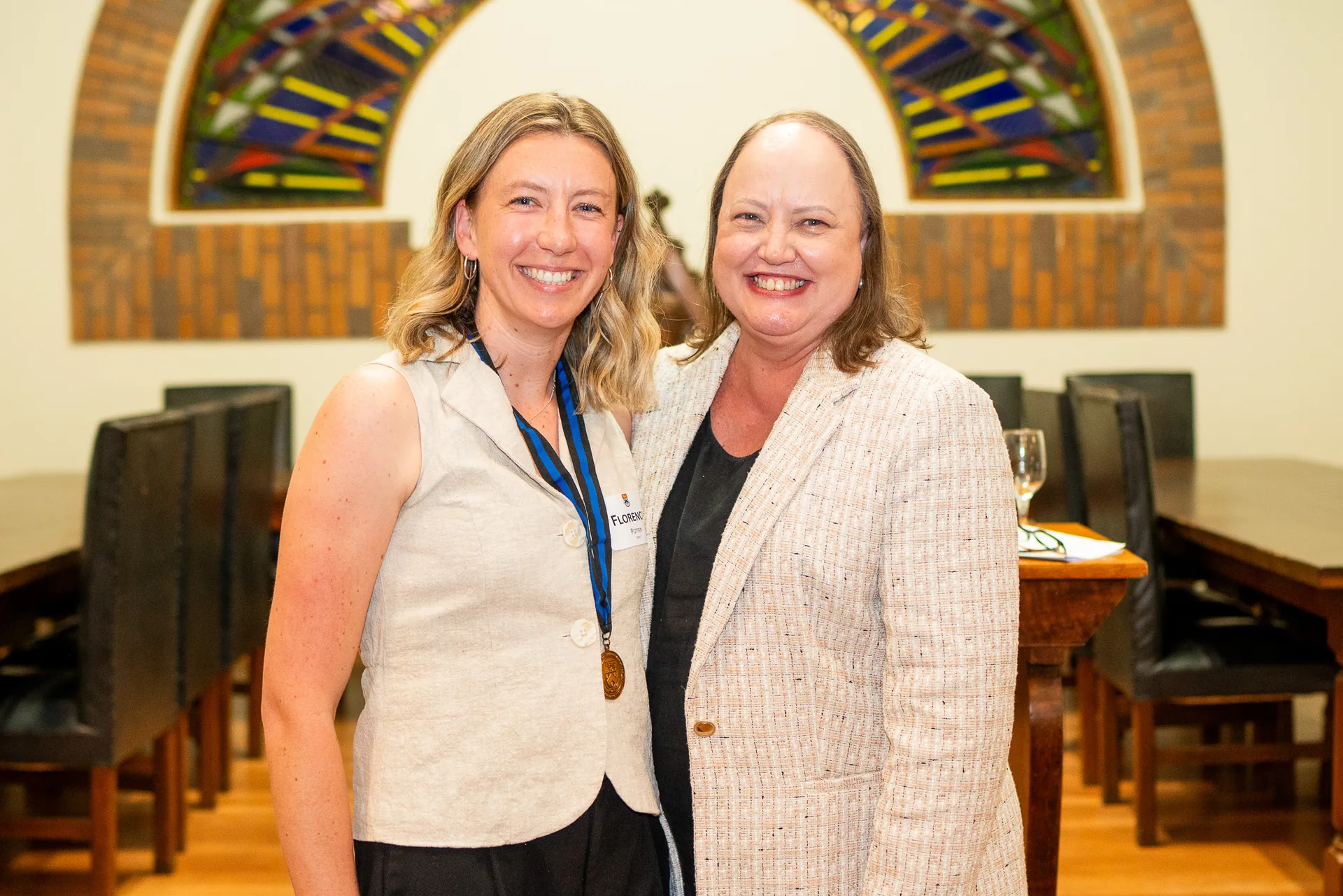
Raina Plowright (fr 92), Veterinarian and Ecologist
At The Vanguard Of A World Battle
Fate, or perhaps divine intervention, was on the side of Raina Plowright (fr 92) one day in 1999 when she and her quad bike were swallowed by a crevasse on the Antarctic Plateau. Raina, who was on a penguin research project, was rescued, though badly injured, and it might be said all these years later that the world is better off for her salvation. Now, just elected to the National Academy of Medicine in the United States (the average age of those elected is 70) and the American Association for the Advancement of Science for transdisciplinary leadership in the field of emerging disease biology, she is at the forefront of the world battle against COVID and other diseases such as the highly pathogenic avian influenza virus, Hendra virus and Nipah virus that have transferred from the animal world to humanity and left chaos in their wake.
For this writer, I had been under the impression that after thousands of years of civilisation, every disease we had to grapple with had made itself known. Then all these other diseases suddenly manifested themselves. Where did they come from? The simple answer: wild animals, often bats. On present indications it will happen again. There do appear to be some simple answers. Animals carry diseases. They have for millennia, including, apparently, wildlife sold as food in Wuhan in China. This proximity of wild animals to humans apparently results in “spillovers”, where humans pick the viruses up. To address this, we need careful study. This encompasses all sorts of disciplines, including sub-cellular biology, land use, the effect of climate change and whatever else. The resulting studies are helping to shape international policy on primary pandemic prevention. Plowright co-chairs a Lancet Commission on the Prevention of Viral Spillover that is convening experts from about 20 countries, aiming to solve the problem. She also holds roles on several advisory boards, including the US National Science Foundation Advisory Committee for Environmental Research and Education
Raina grew up in the Dandenong Ranges in Victoria, developed an intense interest in animals and conservation at an early age and enrolled at Sydney University to study Veterinary Science, taking up in the process the Bryant Grainger Scholarship to enter Wesley. In 1996, after completing three years in Veterinary Science, she took a year off and went to a place that intrigued her: Antarctica. Returning, she received a Lonsdale Prize for Clinical Studies in 1997 and completed her degree, gaining First-Class Honours. She received the J.D. Stewart Prize in Veterinary Science. Raina also led a group of Wesleyans, including Kevin Anderson (fr 95), Owen Burton (fr 97), Beth Eggleston (fr 96), Jane Little (fr 96), Ceclia O’Brien (fr 96) and Peita Poniewierka (fr 97)to Vietnam, taking them to the isolated highlands to trek among the villages. In 1998, Raina became a clinical veterinarian and field wildlife veterinarian, working in Australia and the United Kingdom. She had another trip to Antarctica where she had her trouble with the crevasse. In 2001, having received a Fulbright Scholarship, she started a PhD (in ecology) and Master of Science degree (in epidemiology) at the University of California.
Raina has travelled extensively, working on wildlife and infectious disease programs on all continents including lions and wild dogs in Kenya, vampire bats in South America and giant fruit bats in Bangladesh. She had a series of fellowships and awards, contributed to more than 140 publications and has given more than 150 invited talks, including more than 36 plenary and keynote presentations at international meetings. Her research has been featured in more than 130 interviews and reports in popular media, including in the New York Times, Scientific American, The Washington Post, The Economist, Le Monde, National Public Radio, Newsweek, Reuters, Pro Publica, and Rolling Stone. In 2018, she delivered a lecture to the 73rd International Conference on Diseases in Nature Communicable to Humans. If any lecture could have been more timely! In December 2018, the COVID virus caused illness in Wuhan and in early 2020, the World Health Organisation (WHO) declared the outbreak a Public Health Emergency of International Concern. The virus spread throughout the world and had a massive impact. By December 2024,when the WHO declared the emergency over, the COVID outbreak had caused more than seven million confirmed deaths worldwide. Raina found that the main culprits in spreading novel diseases were bats, which had always carried them. One of the reasons for the intrusion of these diseases was that mankind’s activities were destroying the bats’ habitat, thereby bringing them closer to humanity and to domestic livestock, hence increasing the chances of diseases pillover.
In 2022, Raina was appointed the Rudolf J. and Katharine L. Steffen Professor of Disease Ecology at Cornell University. Much of her research was valid for Australia and sometimes specific to our country. In a paper Raina co-wrote for the general public two years ago, she said: “When we destroy native forests, we force nectar-eating flying foxes into survival mode. They shift from primarily nomadic animals following eucalyptus flowering and forming large roosts to less mobile animals living in a large number of small roosts near agricultural land where they may come in contact with horses. Hendra virus is carried by bats and can spill over to horses. It doesn’t often spread from horses to humans, but when it does, it’s extremely dangerous. Two-thirds of Hendra cases in horses have occurred in heavily cleared areas of northern New South Wales and southeast Queensland. That’s not a coincidence. Now that we know how habitat destruction and spillover are linked, we can act. Protecting the eucalyptus species on which flying foxes rely will reduce the risk of the virus spreading to horses and then humans. The data we gathered also makes it possible to predict times of heightened Hendra virus risk—up to two years in advance.” Her warnings have taken root. Climate change has produced more extreme weather and is affecting wildlife in many ways. The hidden menace is the virus, in whatever form it takes, seeking to take advantage of changed circumstances. Raina is right at the forefront of all these matters. So, hang about Raina! We can leave the crevasses to others.
.webp)