Our Rich History
Wesley College has a proud history dating back to 1910. Our journey reflects our commitment to both education and community.
.avif)
1917
Official Opening
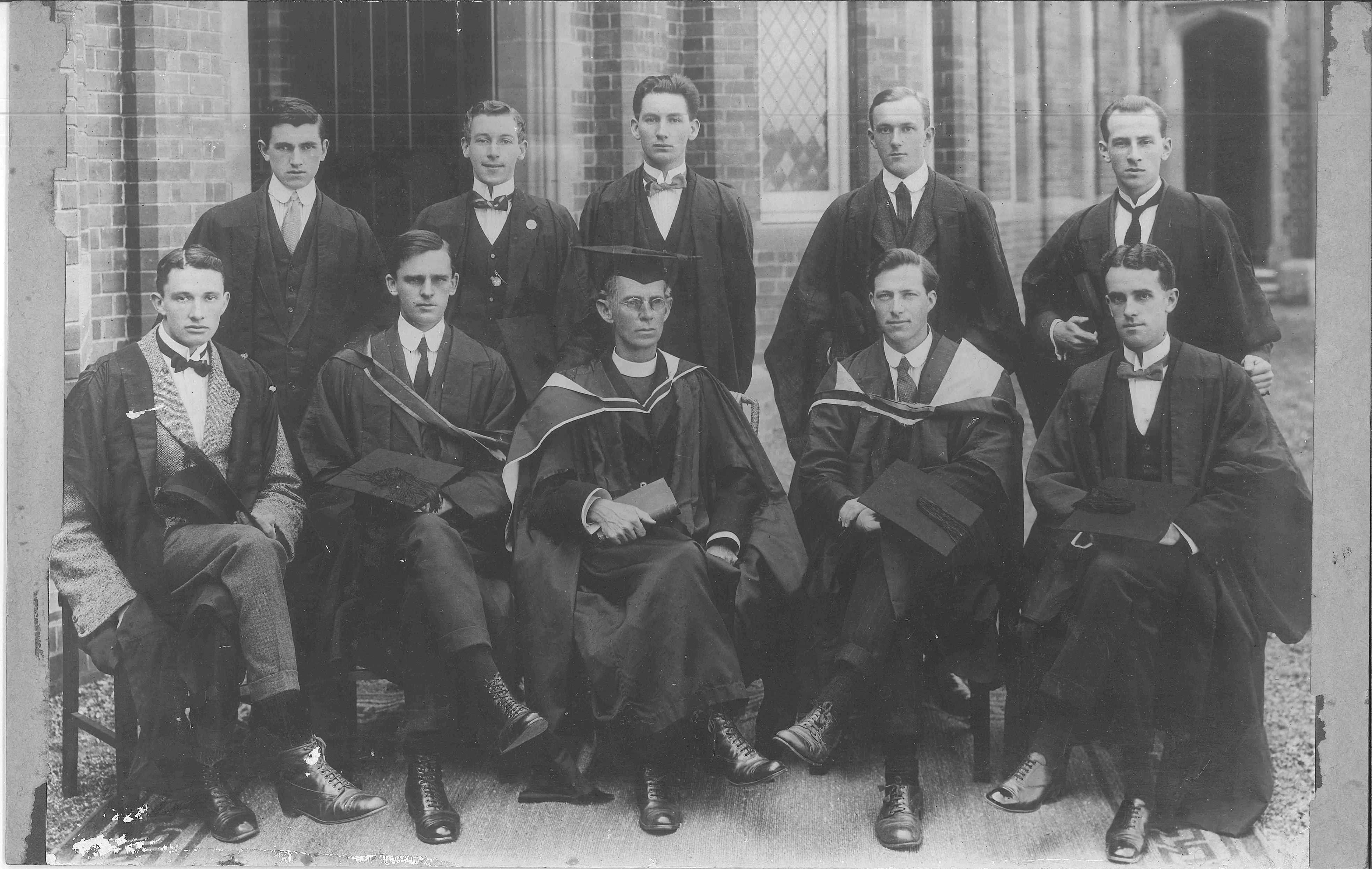
Wesley College was established by an Act of NSW State Parliament in 1910 as a College of the Methodist Church in Australia.
Wesley College was officially opened in 1917, accepting its first nine students and with Rev. M. Scott Fletcher as the first Master (pictured).
1917
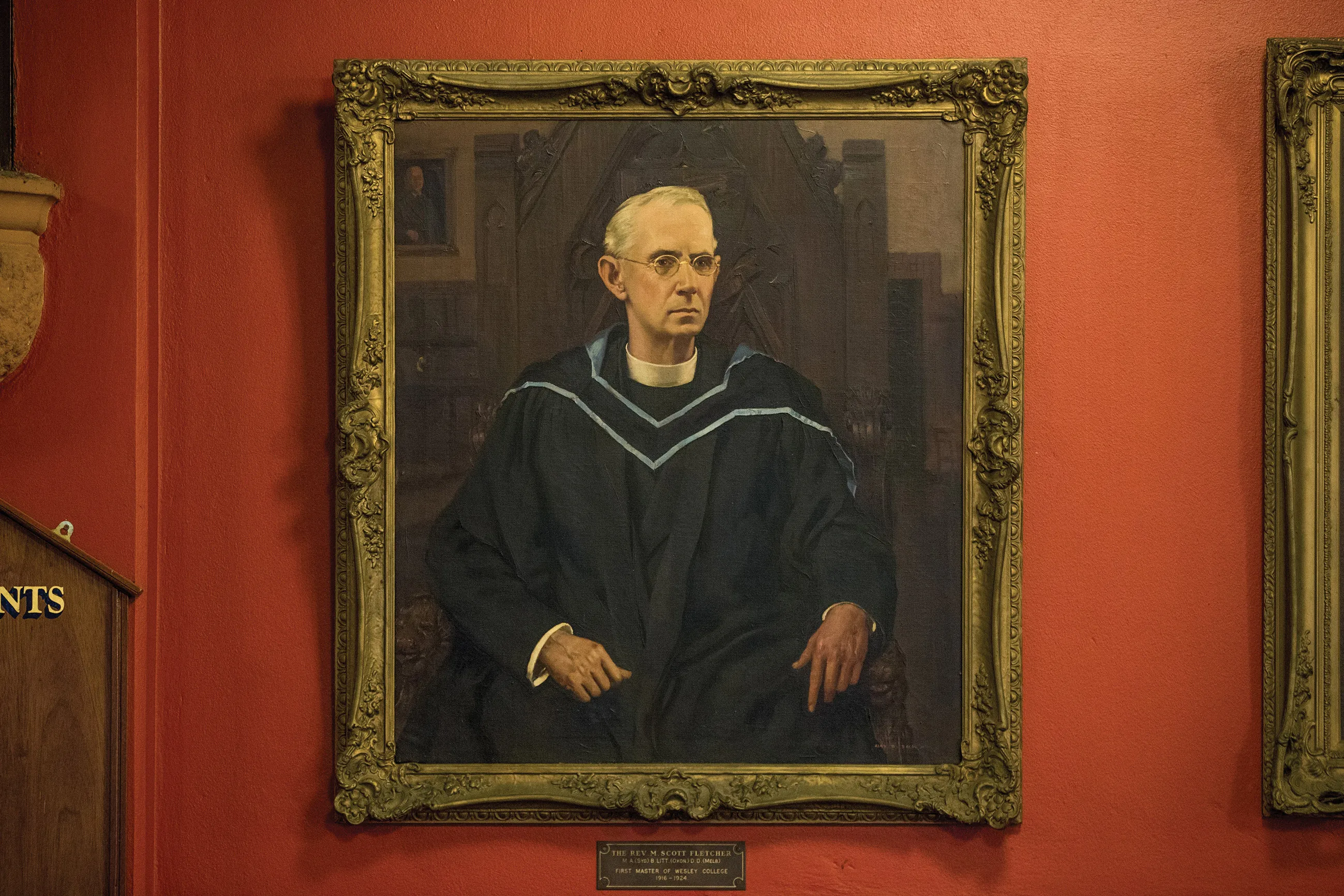
Master Rev. Dr Michael Scott Fletcher
Rev. Dr Michael Scott Fletcher (1917 - 1924) was the first Master of Wesley College. He came to Wesley after serving as the first Master of the University of Queensland's King's College and the Principal of the Brisbane Methodist Theological College.
He was a strong and capable leader who focused on academic rigour and religious studies. Daily life under Fletcher's tenure as a student included competing in intercollegiate sports and social activities such as playing billiards.
1922
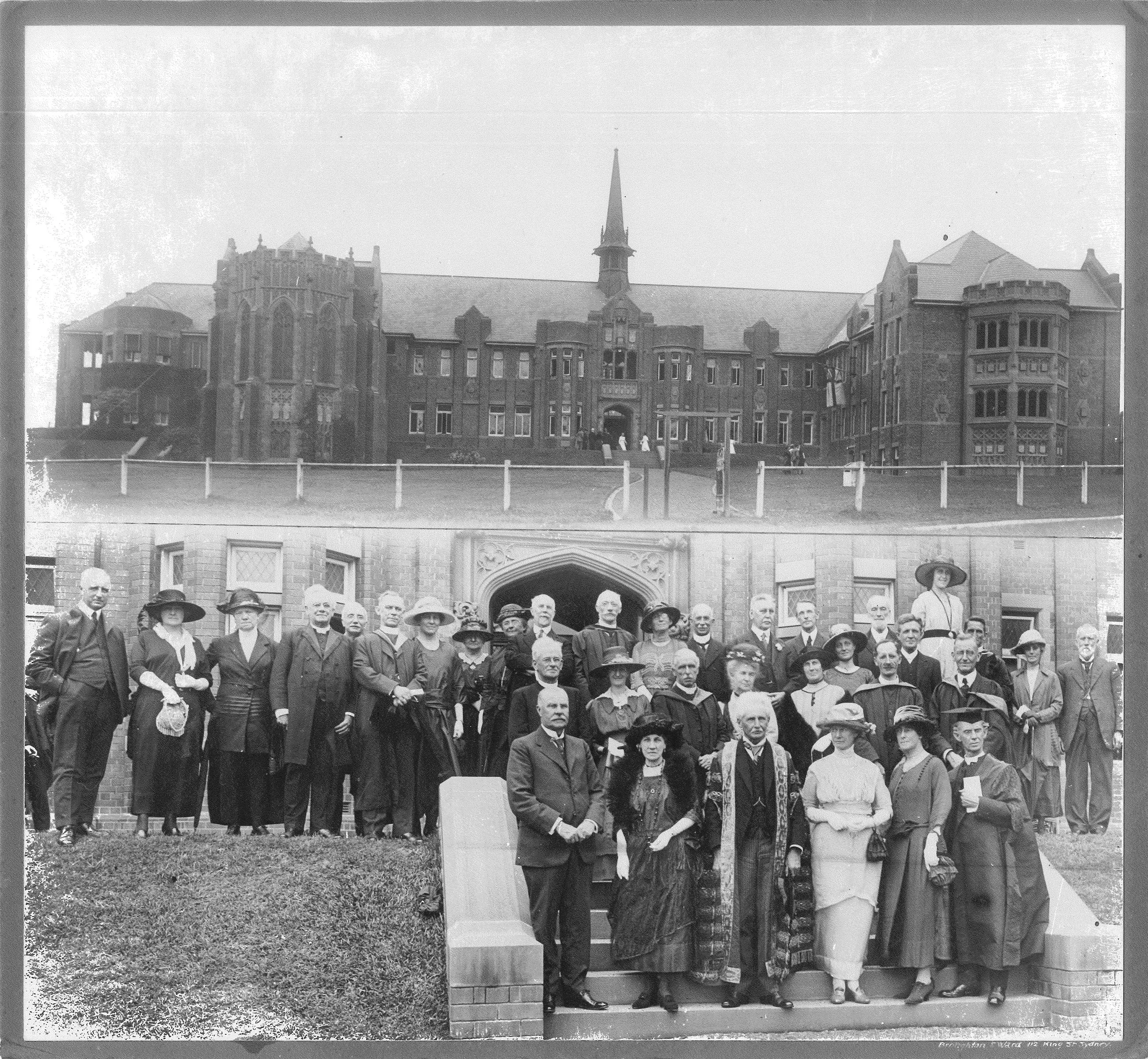
The Callaghan Wing
The Callaghan Wing was constructed in the Edwardian Gothic Revival Style over a 21-year period. It began with the construction of the Central Wing, Dining Hall and Residence (1917), then expanded to include the College Chapel (1919) and the Stanley Callaghan Memorial Wing (1922).
The Stanley Callaghan Memorial Wing was named after the 4th-year dentistry student, Lieutenant R. Callaghan, who enlisted in the 34th Battalion of the A.I.F. and was killed in action in Flanders in 1917, during the First World War. His parents and many family members contributed significantly to its construction.
The opening of the East Wing in 1936 completed the Callaghan Wing, until further extensions took place to the Dining Hall and Chapel under Master Rev. Bertram Wyllie's tenure (1943 - 1964).

1924
Master Rev. Leslie Bennett
The College's second master, Rev. Leslie Bennett (1924 - 1943), was a charming and thoughtful man. His ability to be humorous and profound drew crowds to his chapel services and made him one of the most popular dinner speakers in New South Wales, according to colleagues and students.
He was well-liked amongst the student body and was a strong believer in bringing well-rounded students into the College who may not have excelled academically but were very involved in a range of co-curricular activities.
1942
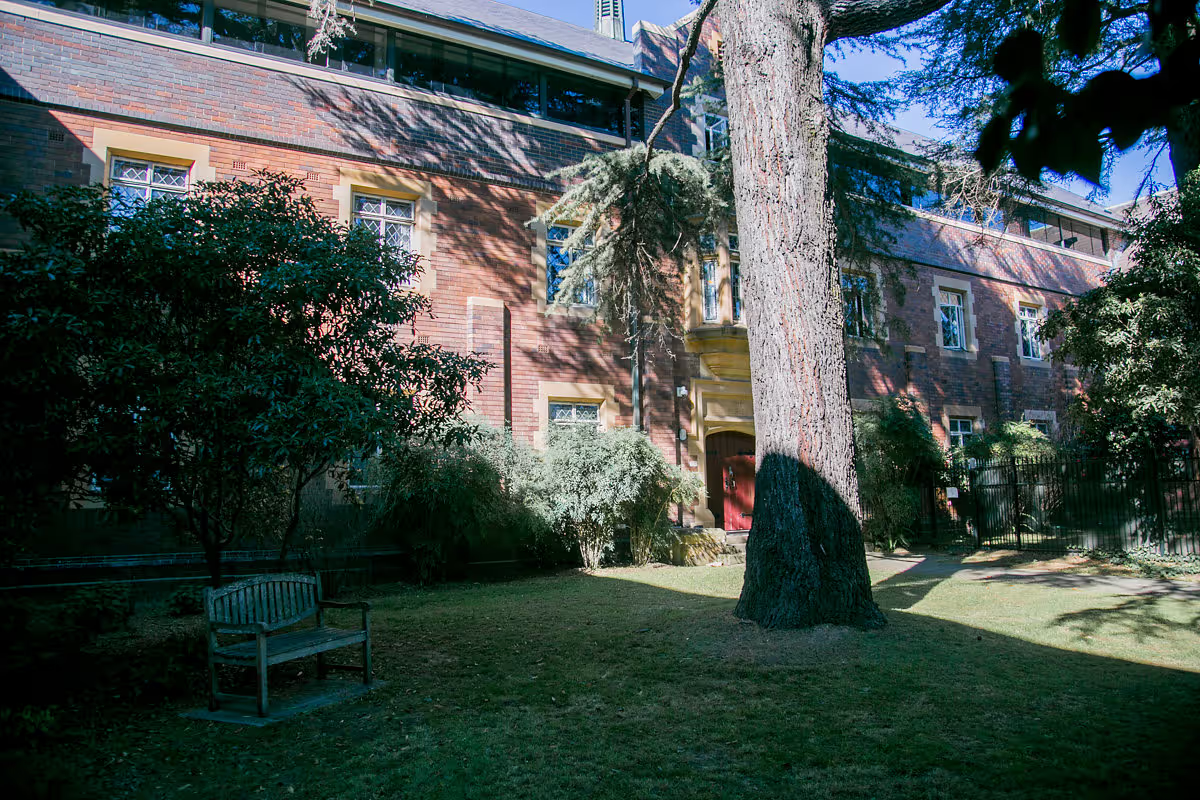
Purser Wing
Under the oversight of Master Rev. Leslie Bennet (1924 - 1943), and thanks to the generosity of Fredrick Owen Cull, a major benefactor of the College, Purser Wing was constructed in 1942.
The wing was named after Cull's good friend and physician, Doctor Cecil Purser, in appreciation of the honorary services he had rendered to the University of Sydney, the College and the Royal Prince Alfred Hospital.
1943
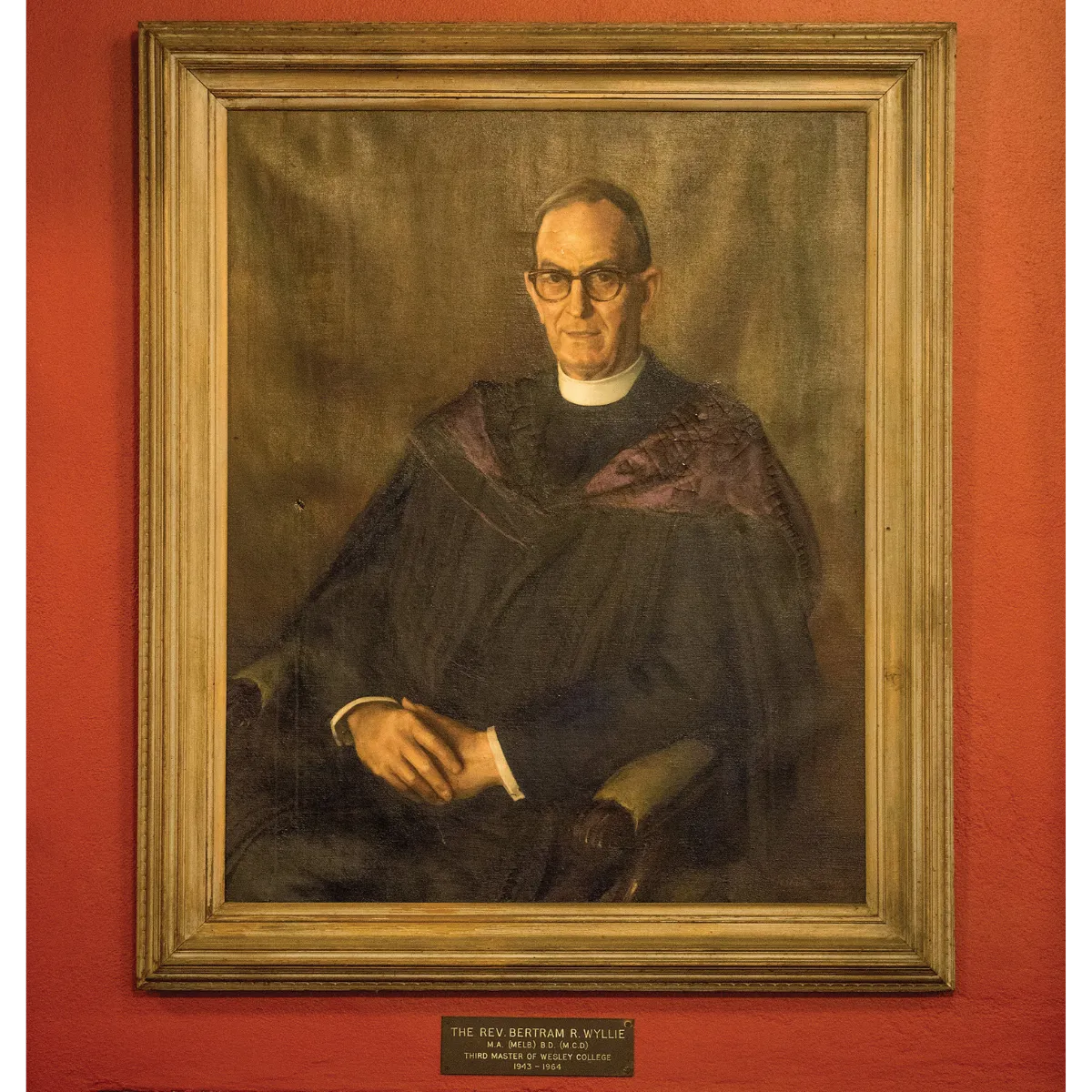
Master Rev. Bertram Wyllie
Rev. Bertram Wyllie (1943 - 1964) was affectionately known as 'the Ram' during his mastership (a shortening of his first name), which was marked by the promotion of multiculturalism and new construction.
The third master of Wesley College, and the longest serving, made it his objective to welcome international students to the College during a time when racial tension and the White Australia Policy predominated.
1951
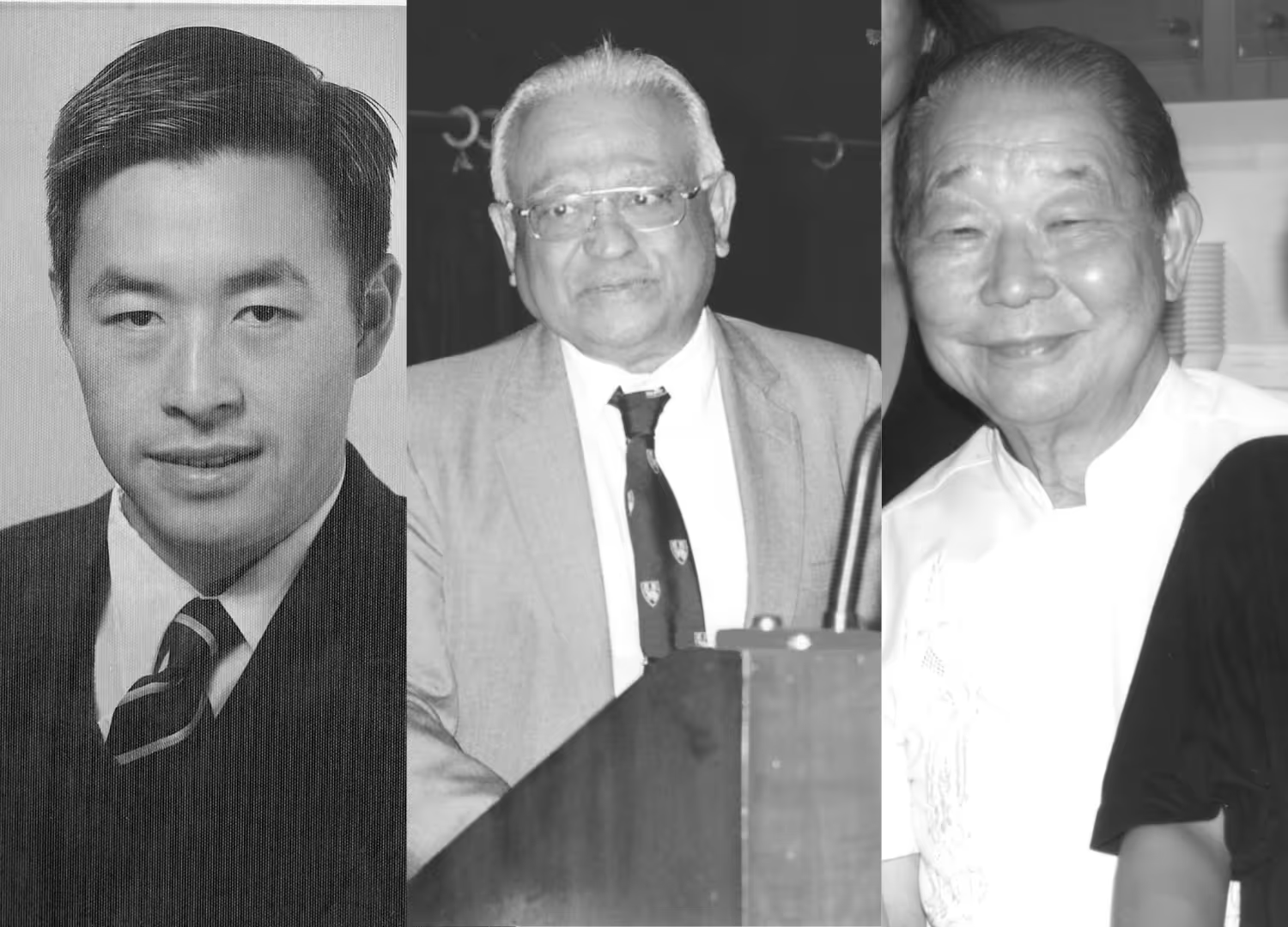
Wesley adopts the Colombo Plan
The Colombo Plan was an Australian and Sri Lankan initative which aimed to strengthen relations in Asia and combat the White Australia Policy.
Wesley College embraced the initiative and began offering scholarships to students across the Asia-Pacific region, which turned the College into a trailblazer for racial acceptance at the time. The Sydney Morning Herald would later refer to the College as 'Sydney's Little UN.'
1961
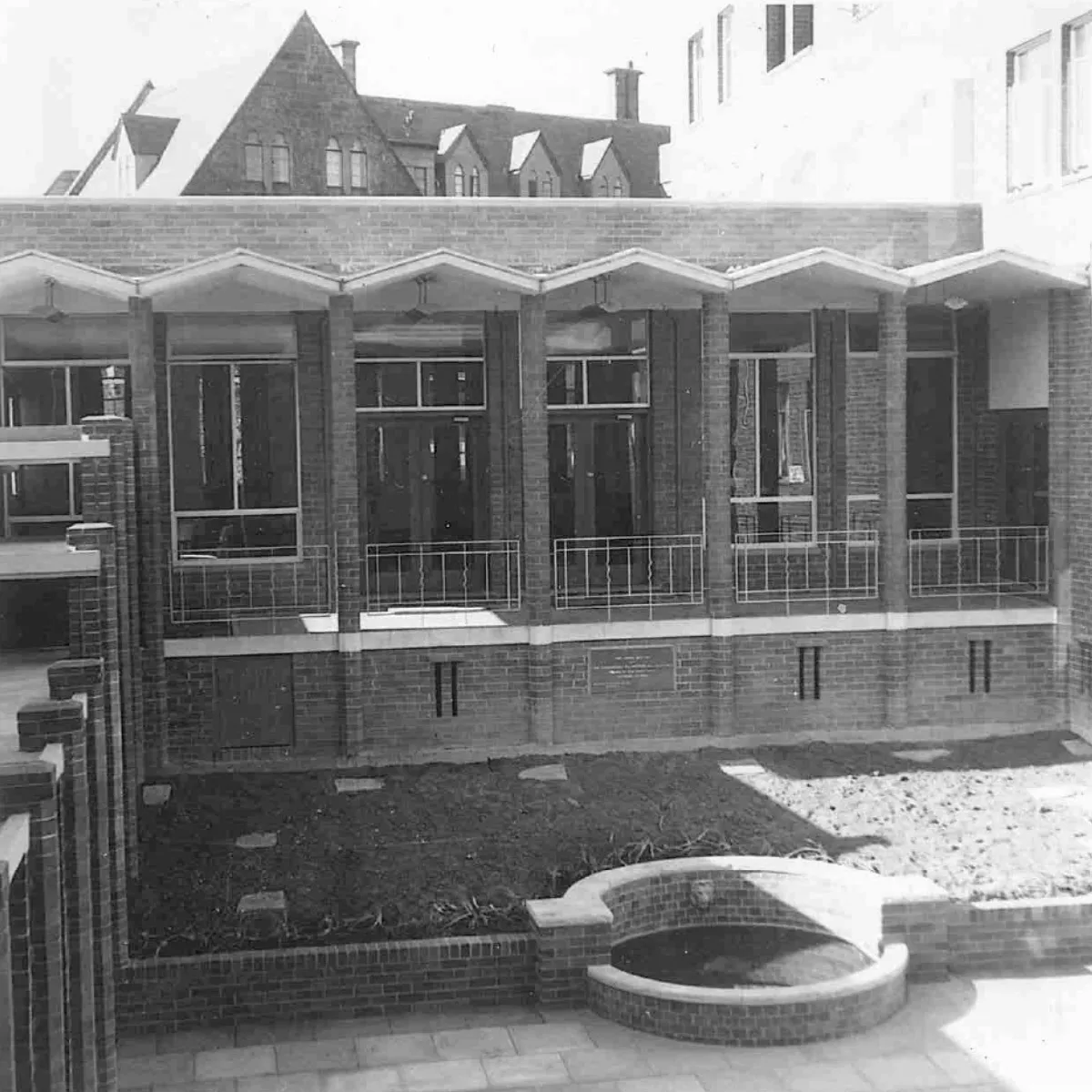
The Bertram Wyllie Wing
During Wyllie's tenure, theCollege's capacity increased through the subdivision of existing balconies at corridor ends and other areas.
Capacity increased further to 150 after the development of the Wyllie Wing, which included the construction of new rooms, the Library and the Junior Common Room. Later, a spiral staircase was included to allow access to the roof from the courtyard.
Master Rev. Bertram Wyllie also increased the area of the Dining Hall and the Chapel to meet the requirements of the growing number of students calling Wesley home.
1965
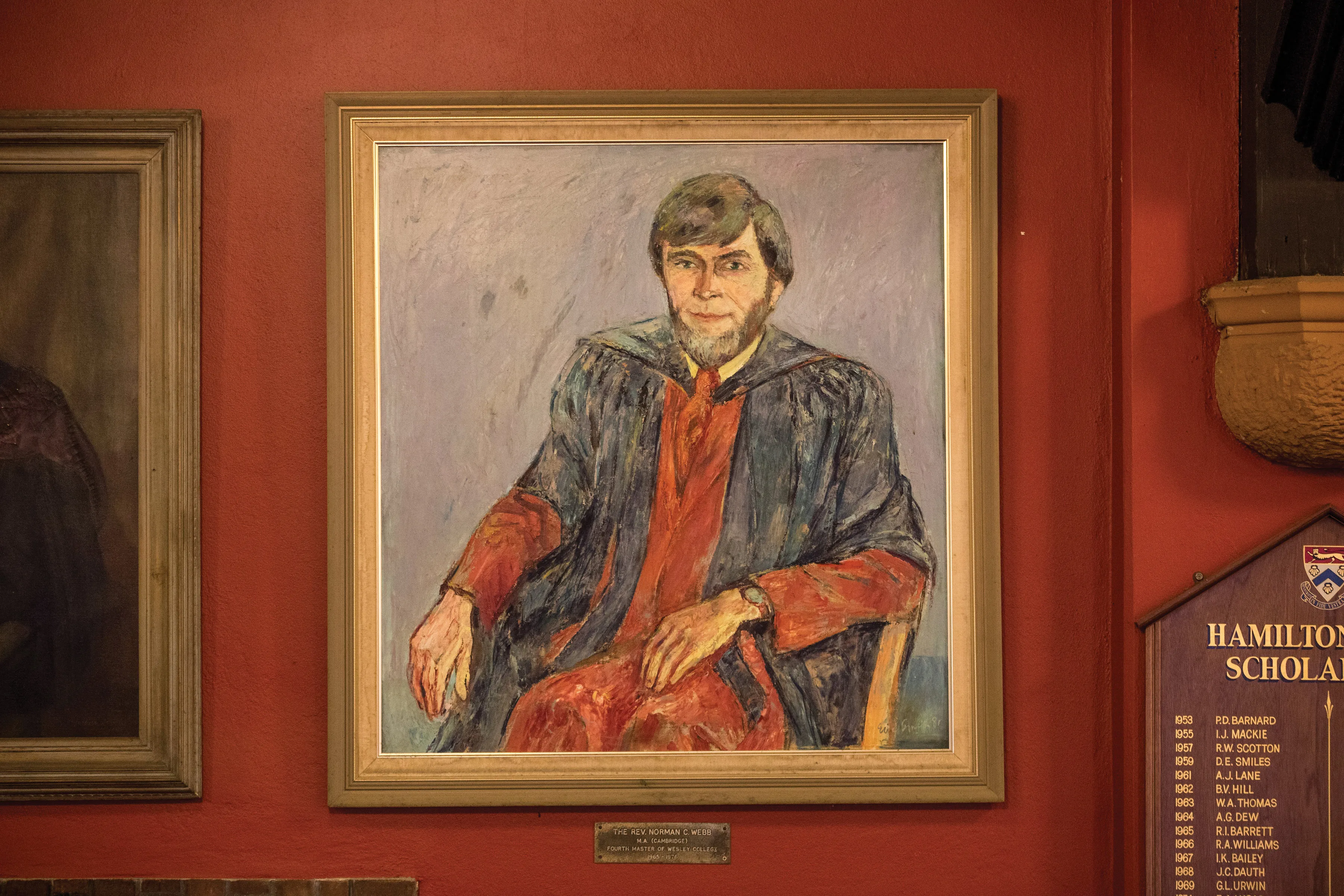
Master Rev. Norman Webb
The Reverend Norman Webb (1965 - 1975) years saw the start of co-education in 1969 and the building of New Wing (now Sutherland Wing), with each change enriching life at Wesley College.
Webb wasn't a typical Methodist minister. He was progressive, outspoken, and a controversial figure, which led to tension between him, the Methodist Church, and the Wesley College Council, ultimately ending his tenure at the College in 1976.
%20large%20group.webp)
1969
Co-Education Begins
In 1969, Wesley College officially became the first co-educational college at the University of Sydney. It was decided that an equal number of male and female students would be accepted into the College, and gender disparity would gradually be phased out.
This milestone marked a significant step towards greater inclusivity and diversity at the College.
1969
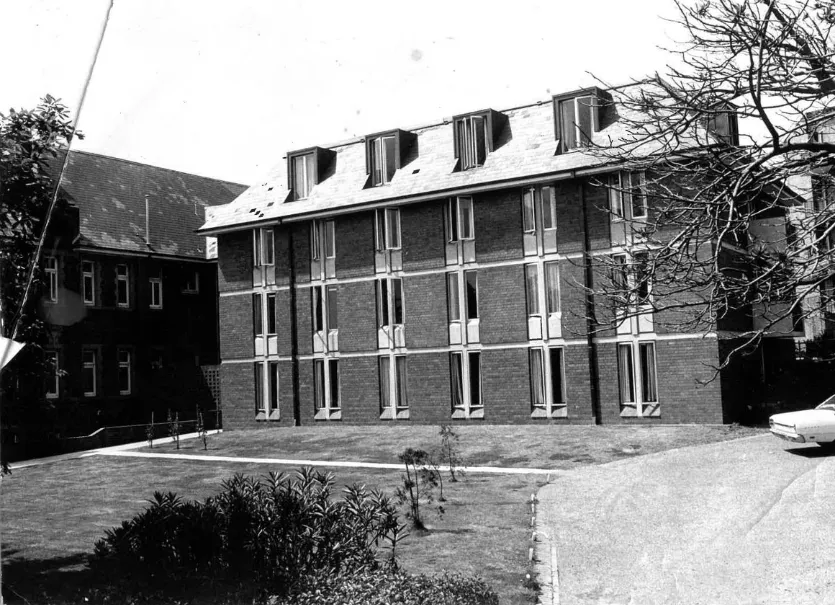
New Wing
In 1967, it was decided to build a new wing at the southern end of the college to accommodate as many students as possible. This building was constructed over the former tennis court and cricket wicket area.
The late Bruce Pryor (Fr 1956) was the architect of the wing, and the building was aptly named 'New Wing'. New Wing was designed with three suites and three one-bedroom flats for tutors on the ground floor and 34 student rooms on the upper three floors.
1977
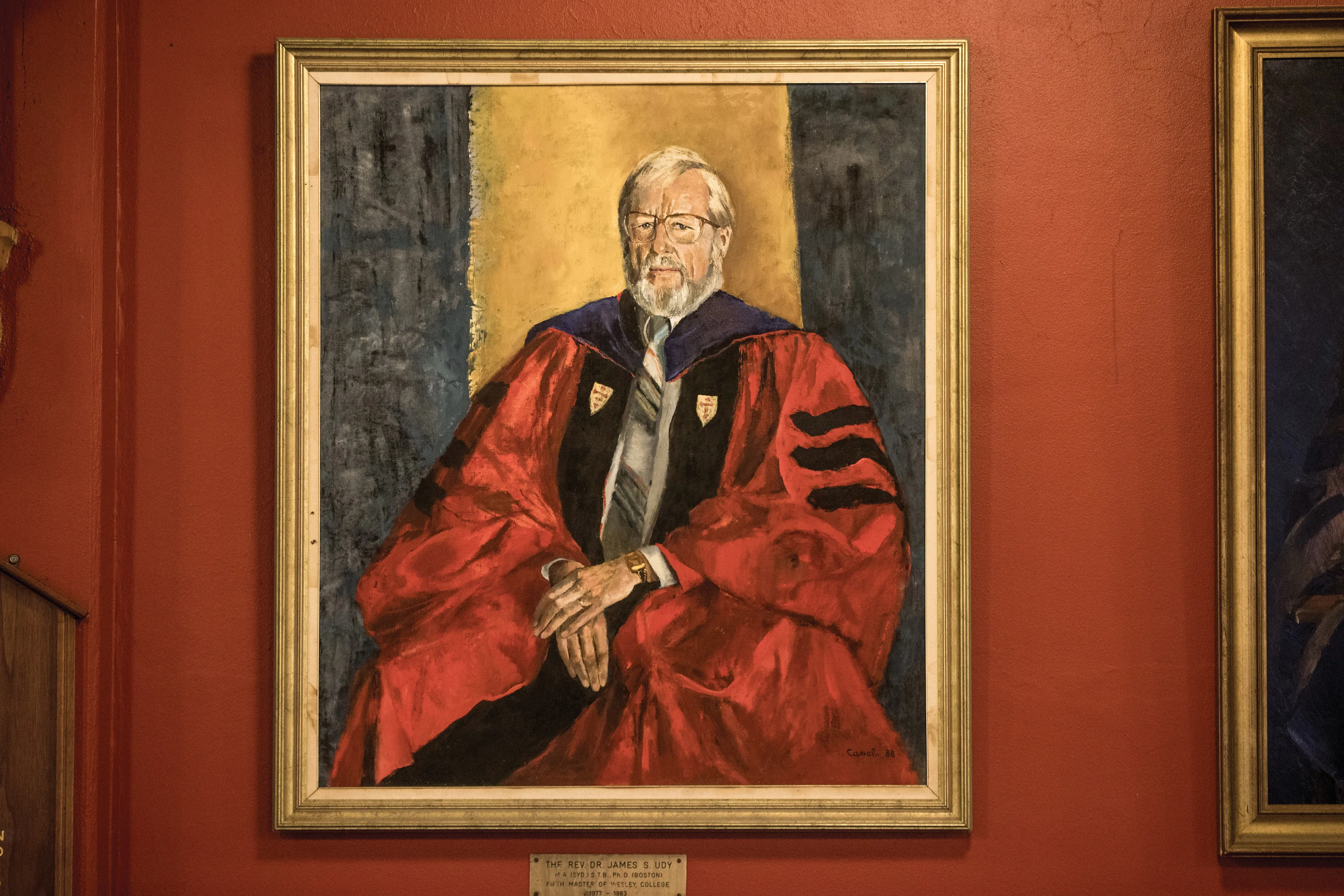
Rev. Dr James S. Udy
Rev. Dr James Udy (Fr. 1939) arrived at the College in 1977 and was appointed by the Methodist Church to 'clean up the mess left by Webb'.
Facing fierce opposition from the student body to his appointment, Udy established the Senior Common Room (SCR), comprising academics to serve as residential tutors within the College, to restore discipline to the building.
The SCR helped revitalise the College's public image. Udy also established Monday night speakers, a tradition that remains to this day.
1977
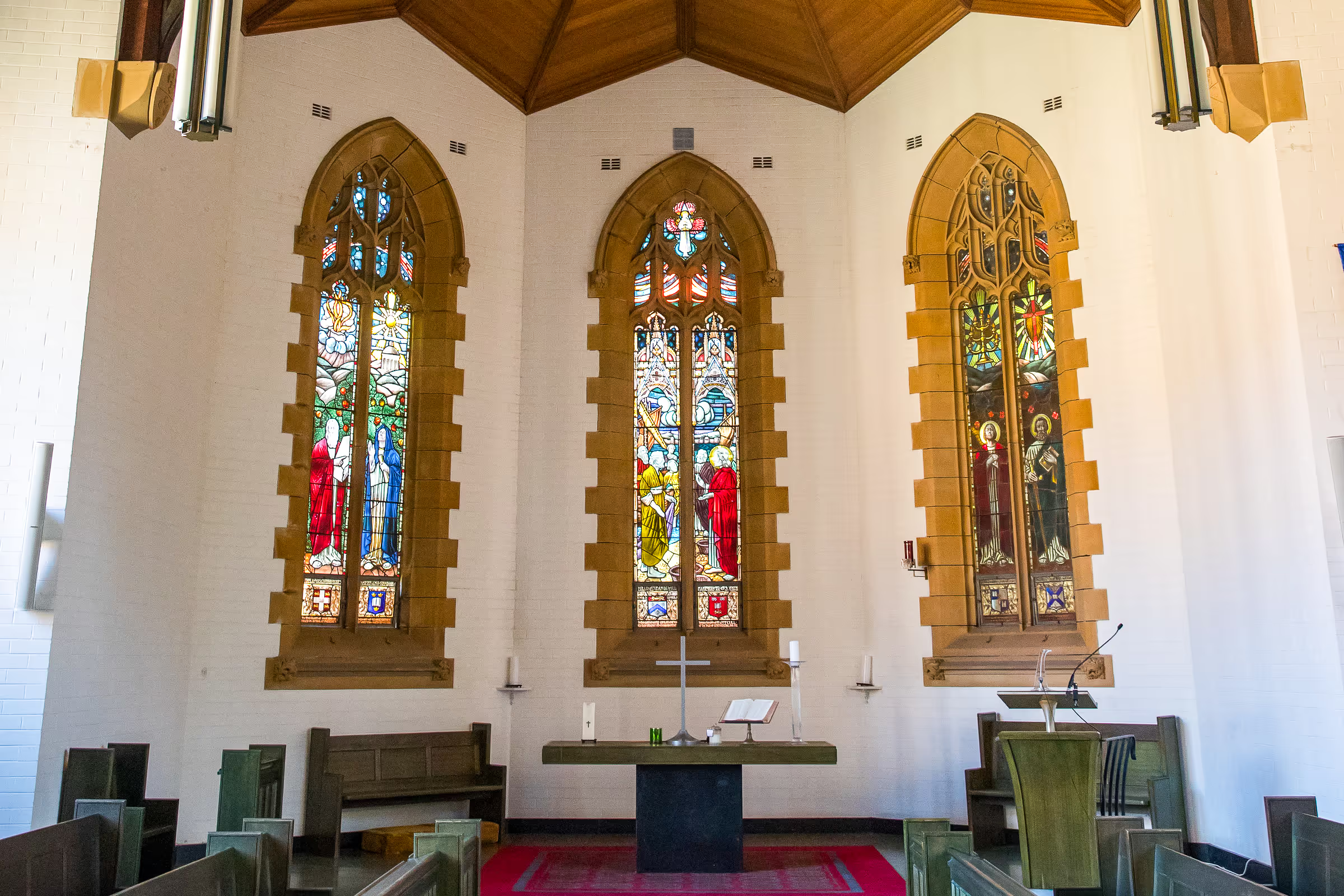
Uniting Church Affiliation
In 1977, Wesley College became affiliated with the Uniting Church, following the union of Congregationalist, Methodist, and most Presbyterian churches.
Our motto, "Ministrate in Fide Vestra Virtutem" (Serve Virtue in your Faith), reflects our commitment to service.
1984
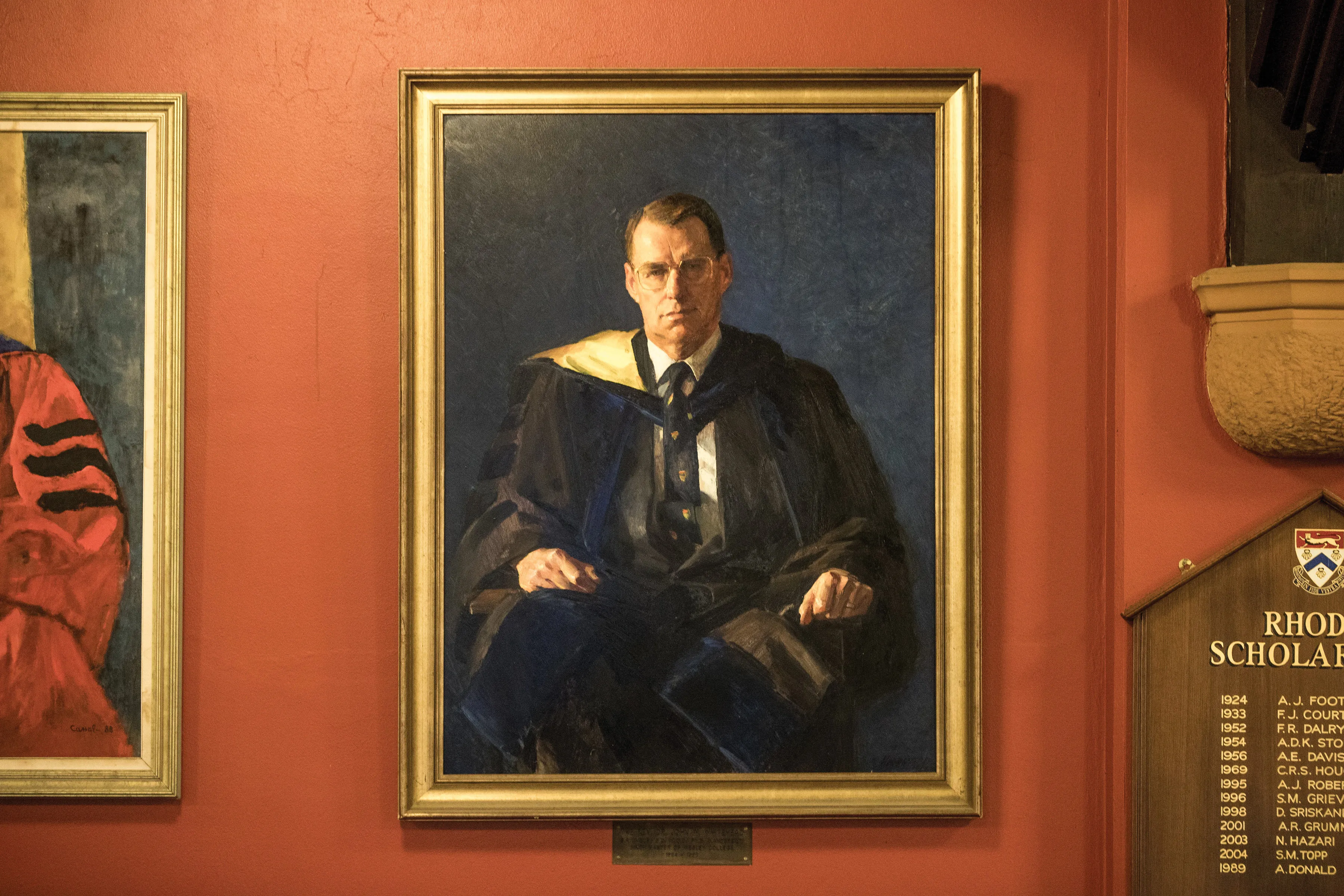
Master Rev. Dr John Whitehead
The College was run under the influence of a diarchic system, which included the Master Rev. Dr John Whitehead (1984 - 1996) and his wife, Ervyn Whitehead. The couple had previous experience managing Lincoln College in Adelaide and had a vision of students developing self-responsibility.
This saw a relaxation of the control which had been synonymous with Master James Udy's mastership. Whitehead kept the College on course, helping to strengthen its reputation as a pioneering institution and prompting others into co-education.
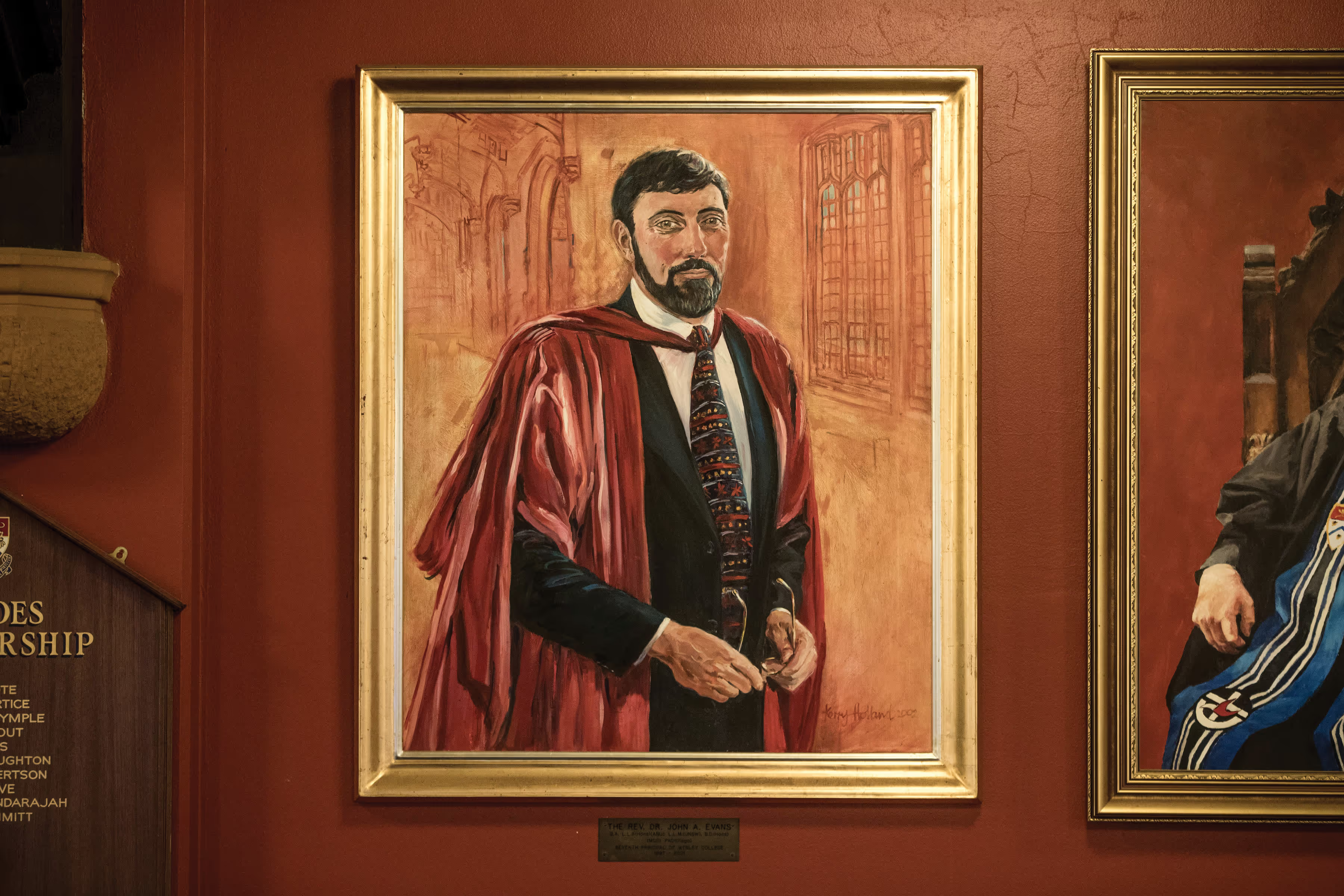
1997
Master Rev. Dr John Evans
Under Master Rev. Dr John Evans (1997 - 2001), the College experienced immense success academically with two Rhodes Scholars and a record number of academic prizes - including eight University Medals across 2000 - 2001.
The College also dominated the sporting field during his tenure, with the Rawson and Rosebowl cups being held jointly from 1999 to 2002. This remains the only period when Wesley has held both the men's and women's sporting trophies concurrently.
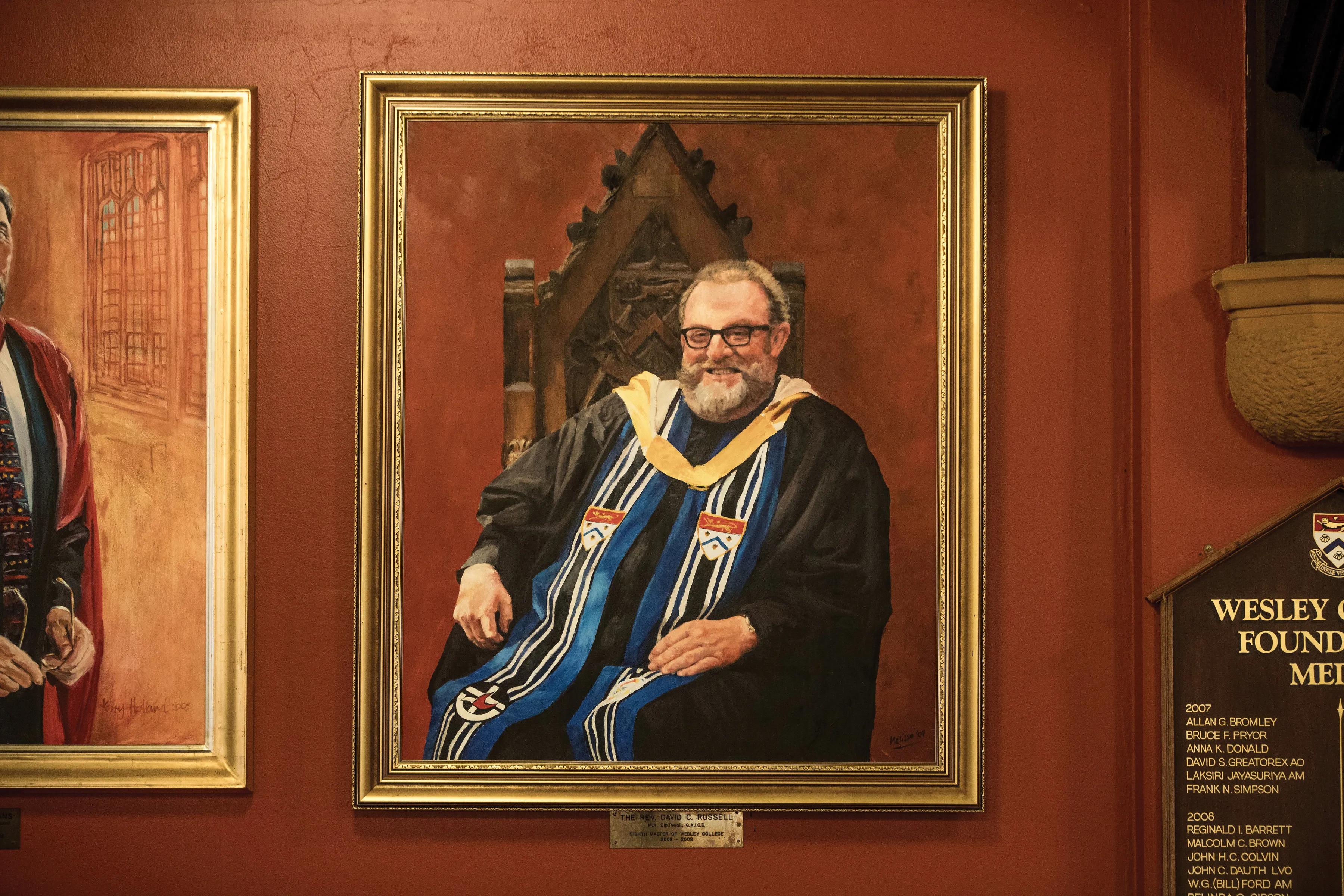
2002
Master Rev. David Russell
Having served on the Wesley College Council from 1989 to 2001, Rev. David Russell (2002 - 2009) was a natural replacement for Rev. Dr John Evans. As the Master, he worked hard at getting to know the students on a personal level and, in his first year, became affectionately known as 'Papa Russ'.
The main focus of the Russell Years was on establishing an extensive scholarship program and fostering the College community through events like 'Parents' Weekend' - still a highlight of Wesley's social calendar.
.avif)
2009
Master Lisa J Sutherland
Master Lisa J Sutherland (2009 - present) was appointed Wesley College's first female and non-clergy Master in 2009. She was previously Head of UNSW's Baxter College, and was a student at Wesley from 1985 - 87.
Lisa Sutherland's leadership has led to a broadening cultural focus, an emphasis on admitting regional and rural students to the College, and significant building renewal and development.
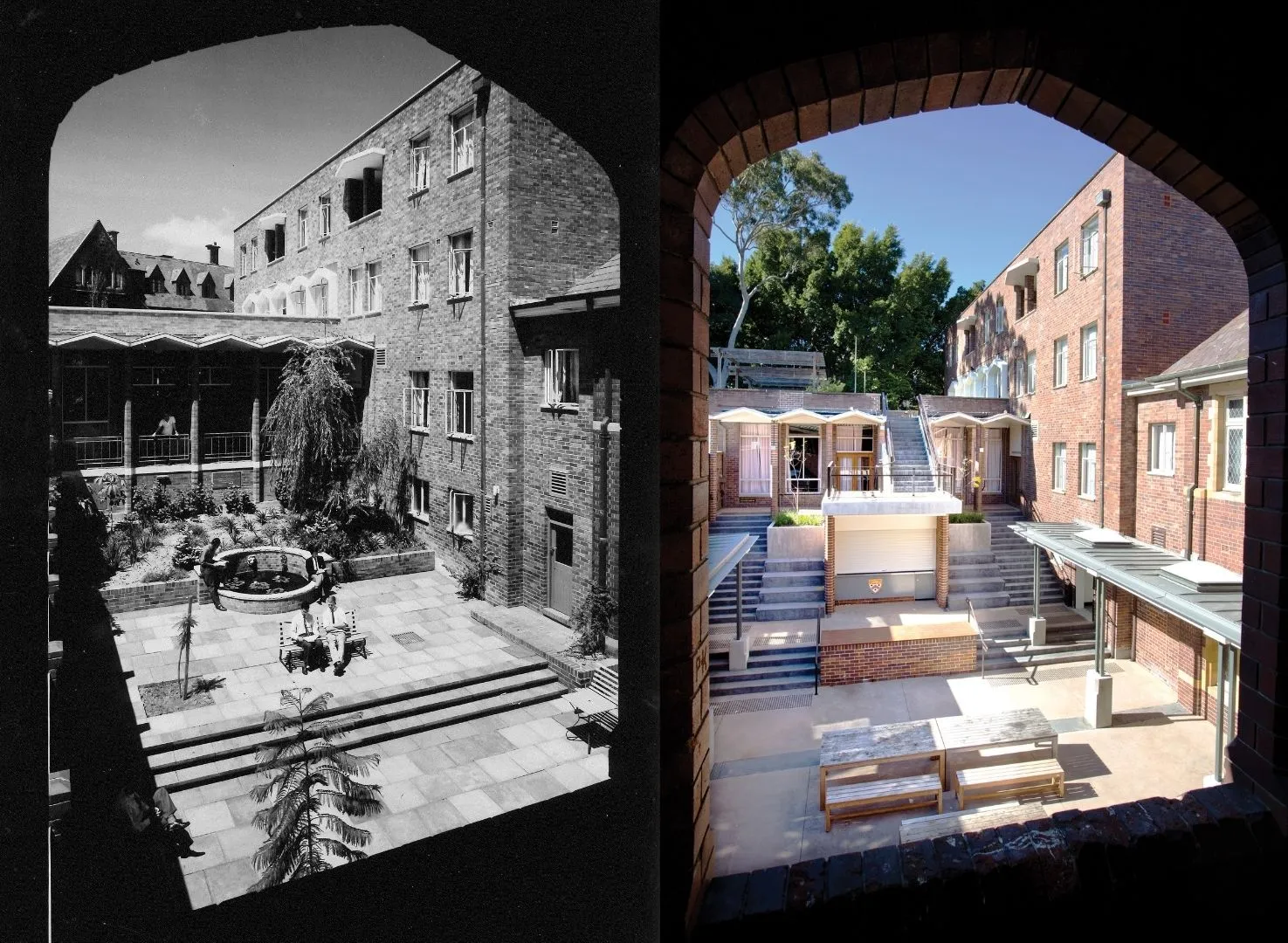
2011
Courtyard Renovated
The Courtyard, built in 1961, was renovated in 2011 to create a 'new heart' for the College. The Dining Hall opened onto the new courtyard, allowing for functions and dining to take place between the two spaces.
It is a much-loved meeting place for students to dine al fresco and embrace the Wesley spirit at Courtyard events during the year.
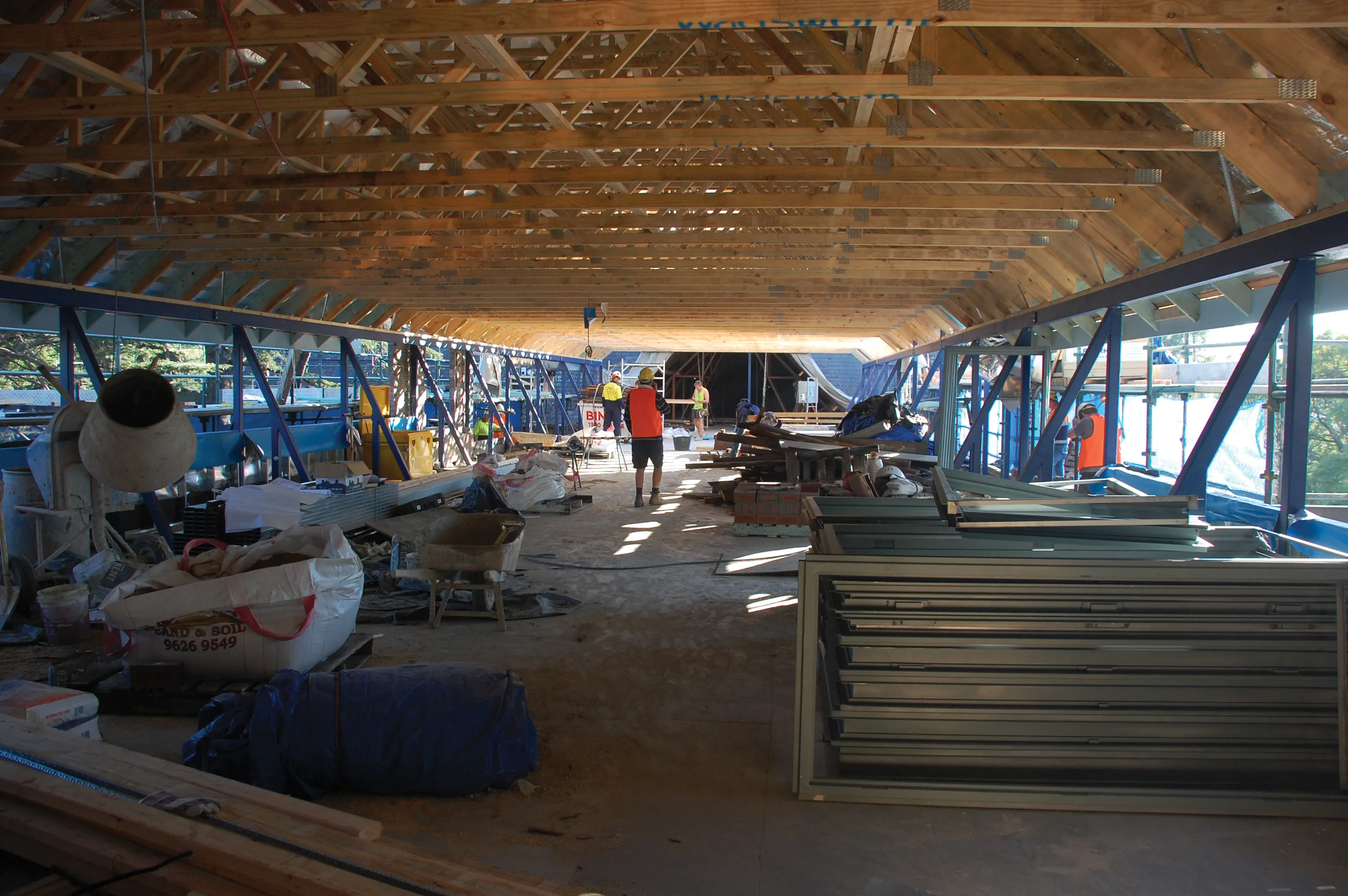
2014
Lee Floor development in Purser Wing
More than forty years after the completion of New Wing, construction began to extend Purser Wing.
This was financed by the generosity of Wesley's donors to the 'Raising the Roof' fundraising campaign, and the incredible contribution of Old Collegian Lee Ming Tee (fr 1975), the namesake of the new floor, who donated $1,000,000.
This project helped the College to add a further 42 student rooms, along with additional bathrooms and common areas, by raising the roof by 2.1 metres.
2016
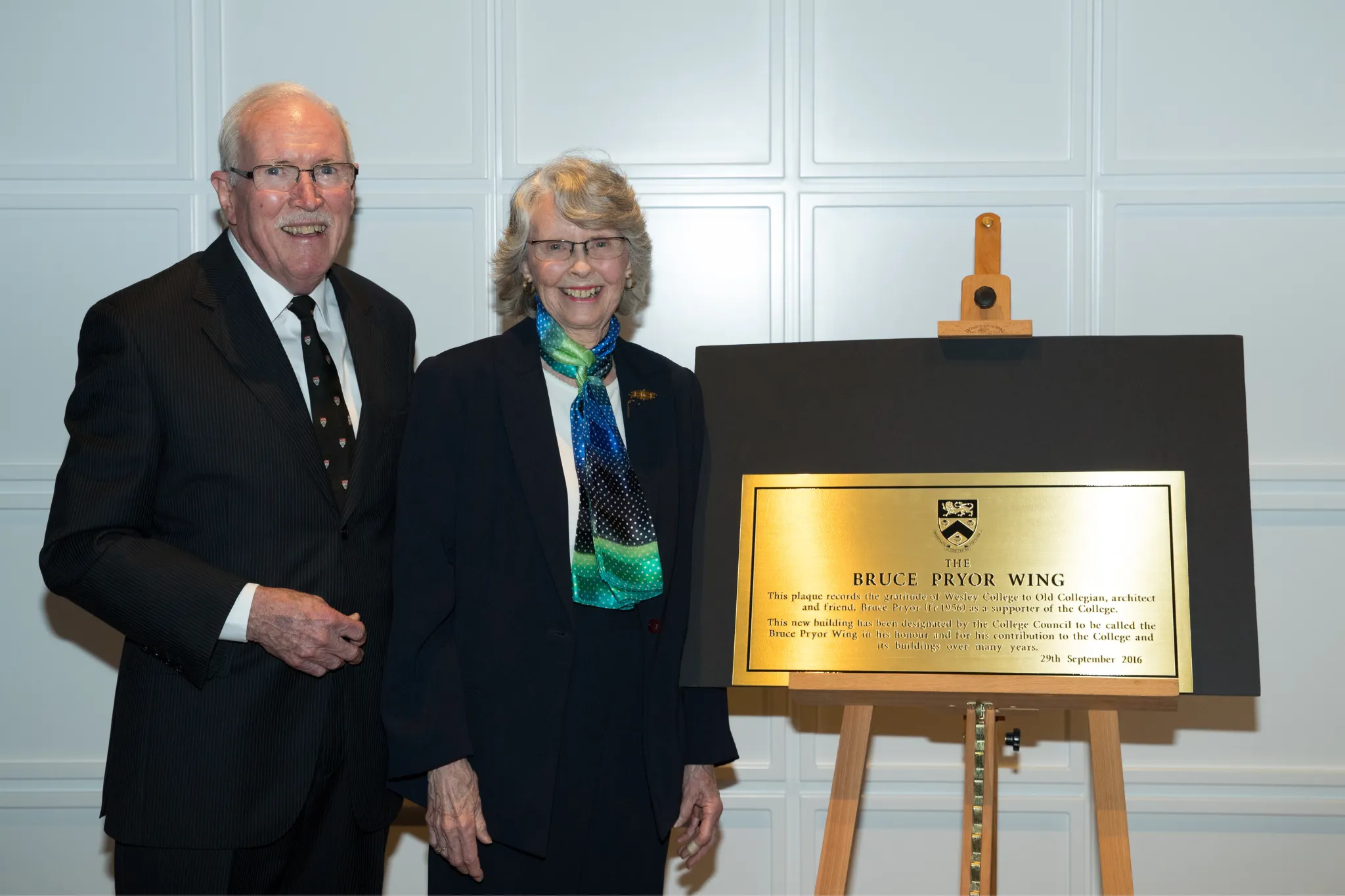
Bruce Pryor Wing
In September 2016, the existing E-Wing was redeveloped along with the dilapidated inner courtyard, and named in honour of Old Collegian, Bruce Pryor (fr 56).
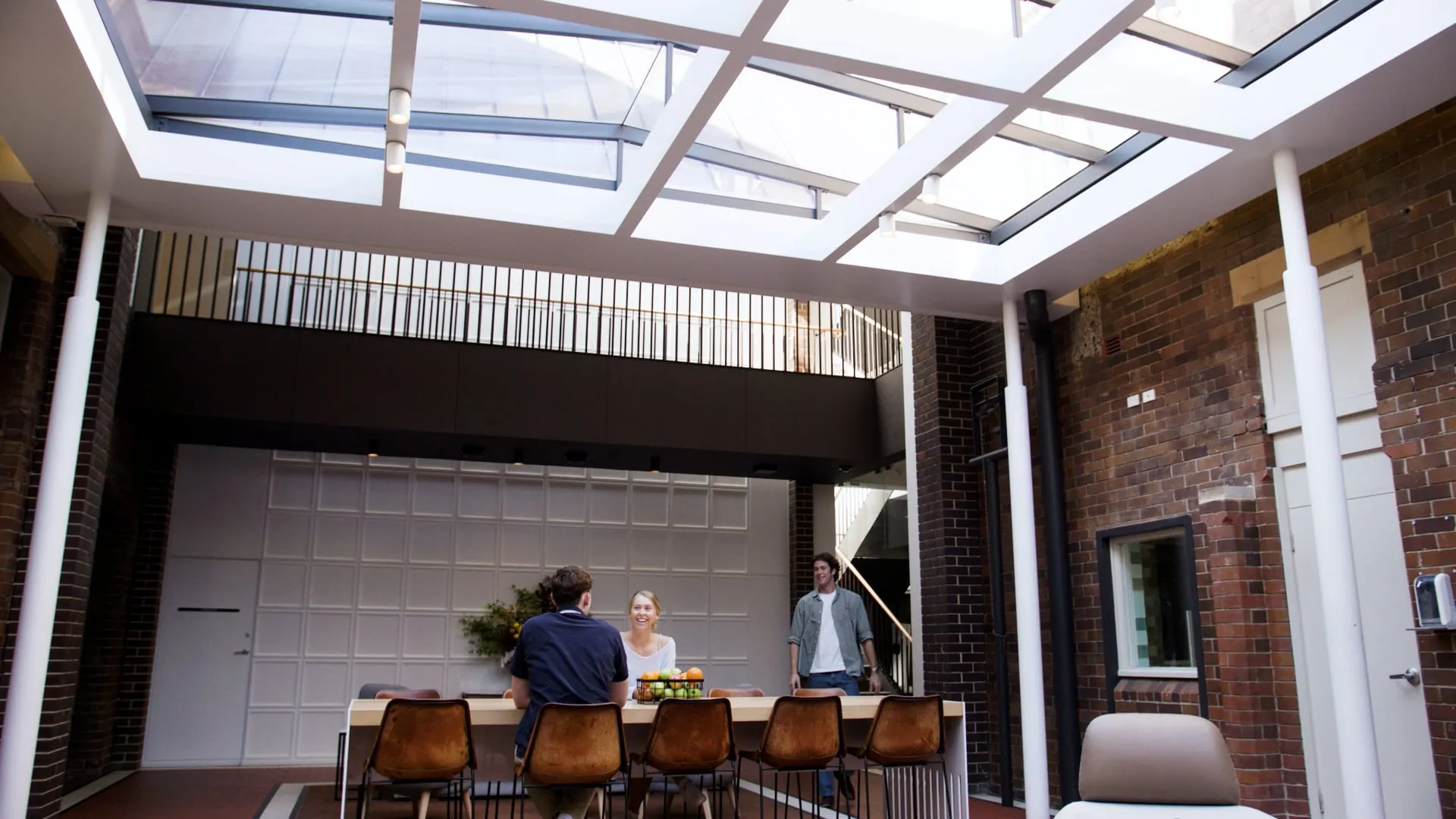
The new Pryor Wing completely transformed the space from a labyrinth into outstanding modern accommodation with the addition of 26 rooms, two bathrooms, and a laundry. The jewel of this project was the new atrium, which connects the entire college under a beautiful glass ceiling.
2017
Centenary Celebrations
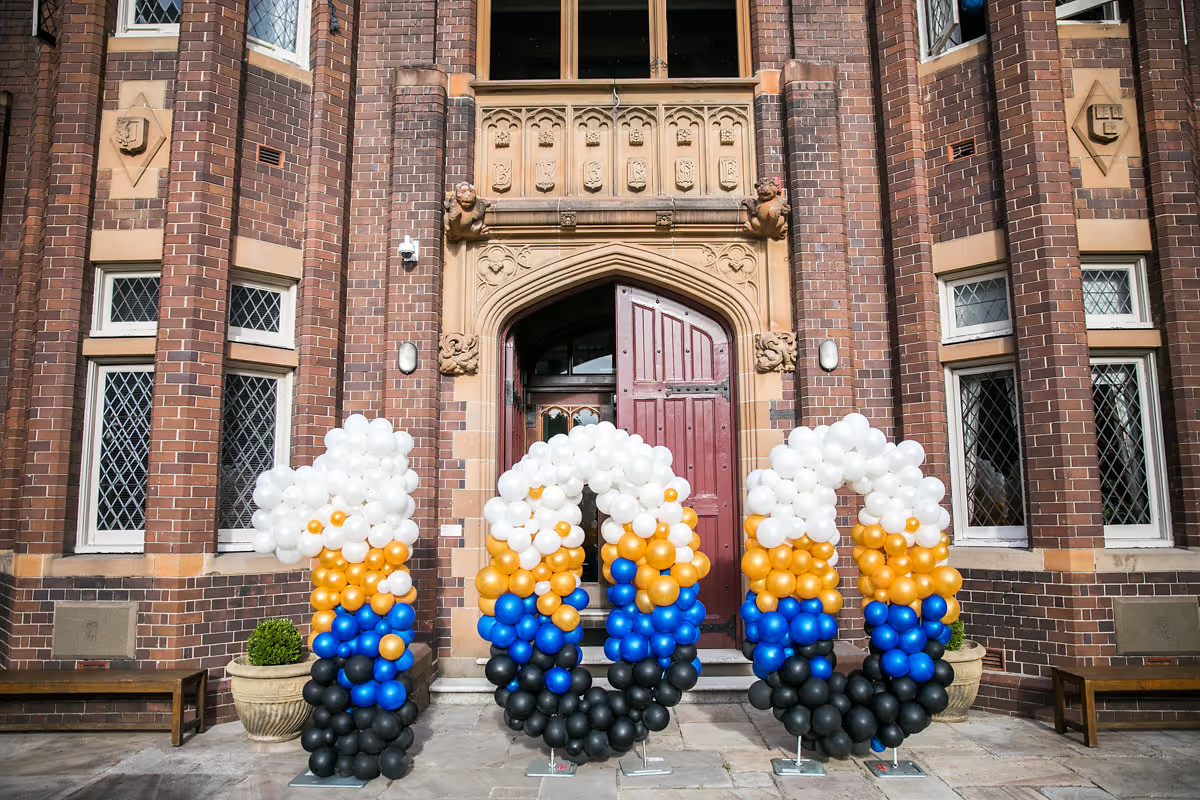
The College celebrated 100 years in 2017, welcoming back many Old Collegians and friends who have helped to make Wesley such a vibrant and enriching community.
The Centenary celebrations included reunions in London and the USA, a Senior Students' Dinner, and a Centenary Ball, amongst many other festivities.
2019
50 Years of Women at Wesley
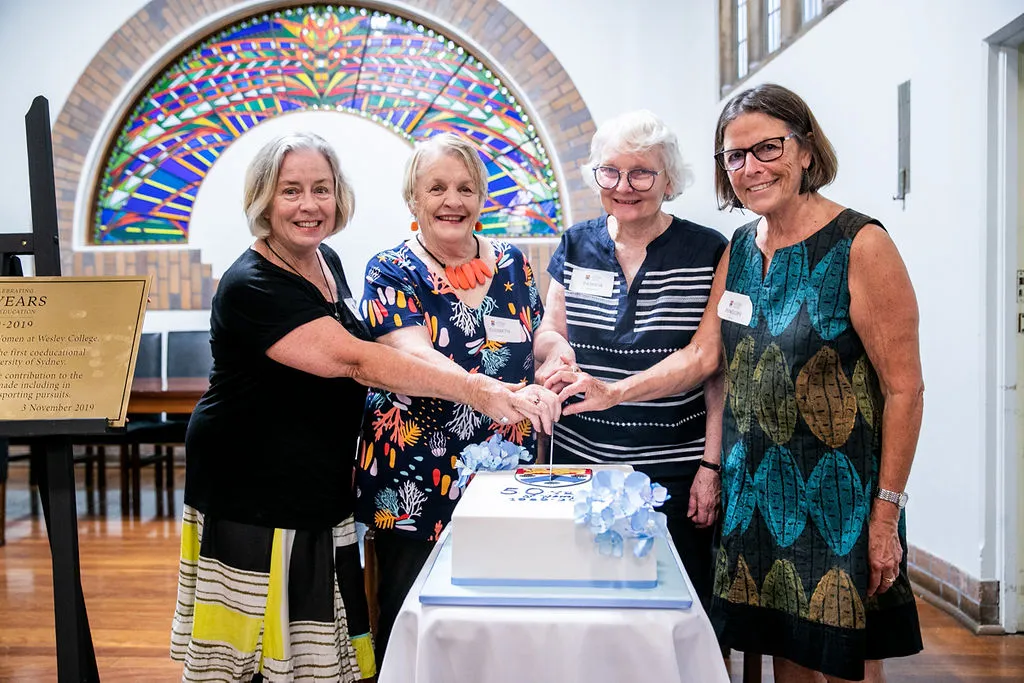
In 2019, Wesley College celebrated 50 years of Women at Wesley College with a special event to acknowledge the many women who have called Wesley 'home'.
It was fitting that this celebration coincided with the refurbishment of New Wing, which was renamed 'Sutherland Wing' in honour of the first female Master, Lisa J Sutherland (fr 85), and her significant contribution to the College.
These refurbishments and the renaming of the wing were made possible due to the financial contributions of Old Collegian, Bruce Pryor (fr 56), the original architect of Sutherland Wing.
2025
'The Attic' Renovation
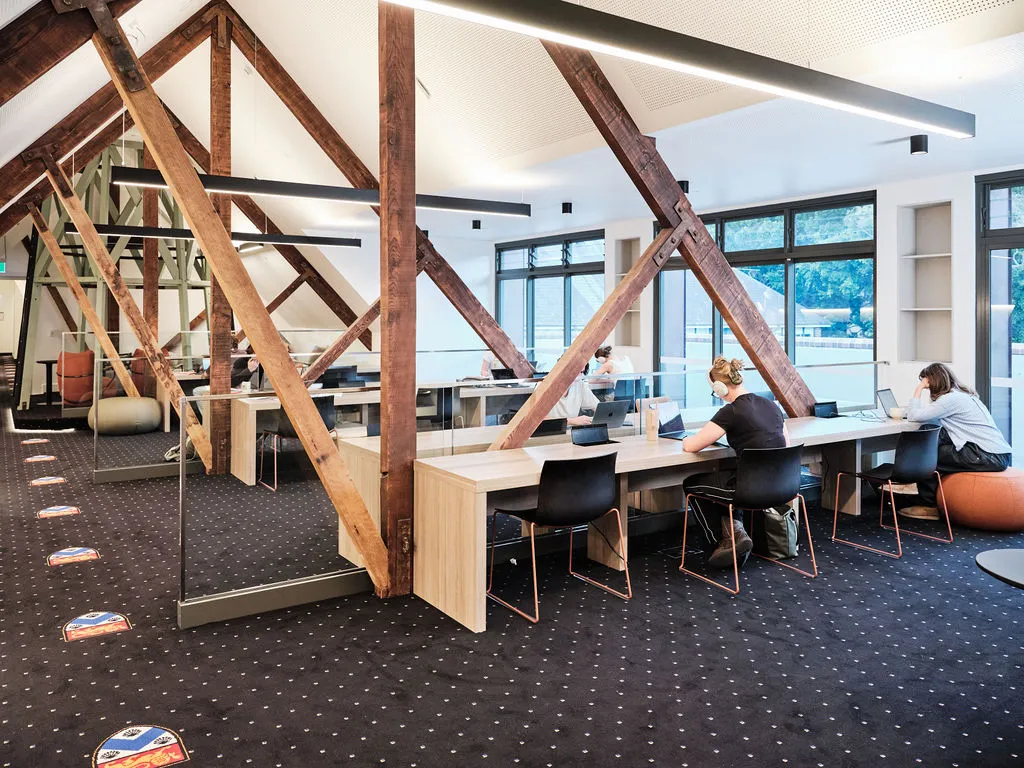
The College's latest renovation was devised to maximise every inch of the College for student amenity, with the attic of Callaghan Wing being the final underused space.
The renovation transformed an unused, dusty attic into a state-of-the-art common area that celebrates the building's heritage and offers a stunning, light-filled space for students to study. The Attic also includes four student rooms, a bathroom, a kitchenette, and two tutorial rooms.
Made possible in part by the generous bequest of Bruce Pryor (fr 56) his wife, Jenny, and their enduring commitment to enhancing and preserving the built environment of Wesley College.
Today
Continuing a Tradition of Excellence
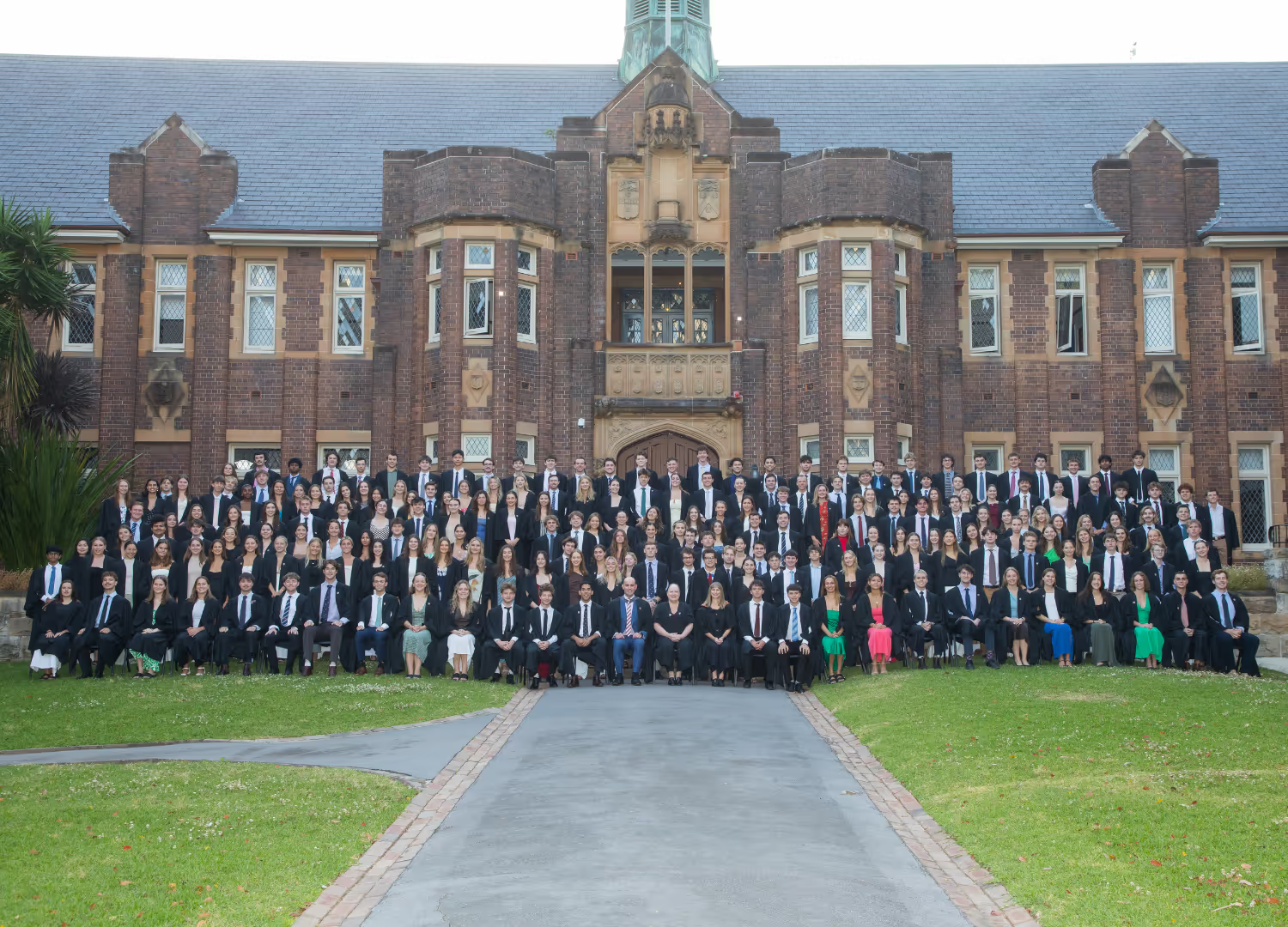
Today, Wesley College continues its tradition of excellence, building on over a century of history to provide an exceptional student experience.
Let us show you around.
Let us show you around.
Let us show you around.
Is Wesley right for you?
Choosing a college is a big decision. Get all the facts, figures, and details you need in one simple guide.
- Your Studies: Tailored academic advice.
- Your Network: An inclusive, co-ed community.
- Your Home: Room layouts and facilities.